
Down 38 Pounds — and I Still Couldn't Wear the Bikini. Here's the "Side Effect" Nobody Warned Me About, and the One Thing That Finally Firmed My Skin Back Up.
If you came here from my video, this is the full version I couldn't fit into 60 seconds — why your skin turns crepey after a GLP-1 (it isn't the medication damaging your skin, and it isn't your fault), why the creams did nothing, and the one thing that actually firmed my arms and thighs back up.

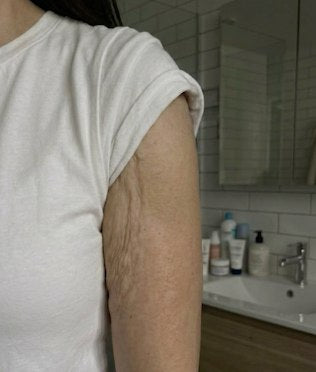
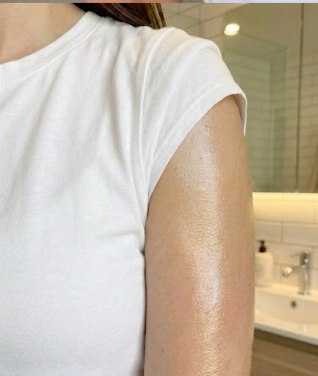
I have to start with the part that genuinely knocked me flat.
I'd finally done it — down 38 pounds. The whole reason I started was to feel good in my own skin again, to put on a swimsuit without a cover-up welded to my hips. And when I got there… I still couldn't wear it.
Everyone warned me about the hollow, deflated "Ozempic face." What nobody mentioned was what turned up on my body: thin, loose, crinkled, cottage-cheese skin on my arms, my inner thighs, my stomach. In the moment it honestly looked worse to me than the weight ever had — like I'd swapped one problem for another.
So give me four minutes. By the end you'll understand the two things almost nobody explains: why the skin goes crepey after a GLP-1 — it's not what you think — and the one simple thing that finally firmed mine back up when the whole cream aisle did nothing.
Show Me What Actually Worked →First — I burned through a small fortune before anyone told me what the problem actually was
When the crepey texture showed up, I did what you'd do. Bought the firming cream everyone raves about. Rubbed it in nightly. Nothing. Bought a pricier one with "collagen" printed big on the front. Nothing. Then I went to the source and bought collagen itself — capsules, then powder in my morning coffee. If my skin needed collagen, I'd just give it collagen, right? Nothing, nothing, nothing.
What I eventually realised is that I'd been buying solution after solution without a single person ever explaining what the problem actually was. So let me do for you what I wish someone had done for me.
The real reason it went crepey — and why it was never your fault
Here's what actually happens when you lose weight fast on a GLP-1. The fat just under your skin was quietly doing a job you never knew about: it was scaffolding. For years it filled your skin out and held it taut from underneath. Lose weight fast and that scaffolding shrinks fast — far quicker than your skin can adjust.
Whether the skin tightens back up or is left crepey comes down to one thing: how much collagen and elastin it has to work with. Collagen gives skin its thickness and firmness; elastin is the spring that lets it snap back. Younger skin is still rich in both, so it adapts. Older skin has far less to draw on — so the same weight loss leaves it thin, crinkled and loose.
If you're younger, your skin is still rich in collagen and elastin — so once the fat goes, it can tighten back up.
If you're older, you naturally have far less to work with — so the exact same weight loss leaves skin unable to keep up. Thin, crinkled, loose. Crepey.
So no — this was never the medication "damaging" your skin, and it isn't just "loose skin you're stuck with." It's a simple gap: the fat shrank faster than your skin could rebuild the collagen and elastin it needed to keep up.
"I worked so hard to lose the weight, and now my skin looks worse." If you've thought that, it isn't vanity and it isn't your fault. You were handed the wrong tools for a problem nobody bothered to explain.
Why every cream I tried did absolutely nothing
Once I understood the real problem, the creams made me angry — because the reason they fail is almost laughably simple. Most moisturising creams are mostly water — up to 80% of the jar. And the outer barrier of your skin is oil-based, so water and oil don't mix: the cream beads up, sits on the surface, feels nice for an hour, then evaporates. It never reaches the layer where crepey skin actually lives.
"But mine has collagen in it." Mine did too. Doesn't matter — the collagen molecule is far too big to pass through your skin barrier. Rubbing collagen on your skin can never become your collagen. It's marketing, not mechanism.
Skip to the One Thing That Worked →What finally clicked: you don't add collagen. You send the signal to rebuild it — in an oil that can actually get there.
The answer isn't collagen at all. It's peptides. Peptides are tiny — small enough to actually penetrate the skin barrier, down to the layer creams never reach. And once they're in, they don't try to be collagen. They do something smarter.
They send a signal to your skin cells to start making their own collagen and elastin again. Like speaking your skin's own language — telling the builders to get back to work. That's exactly the gap the weight loss left behind.
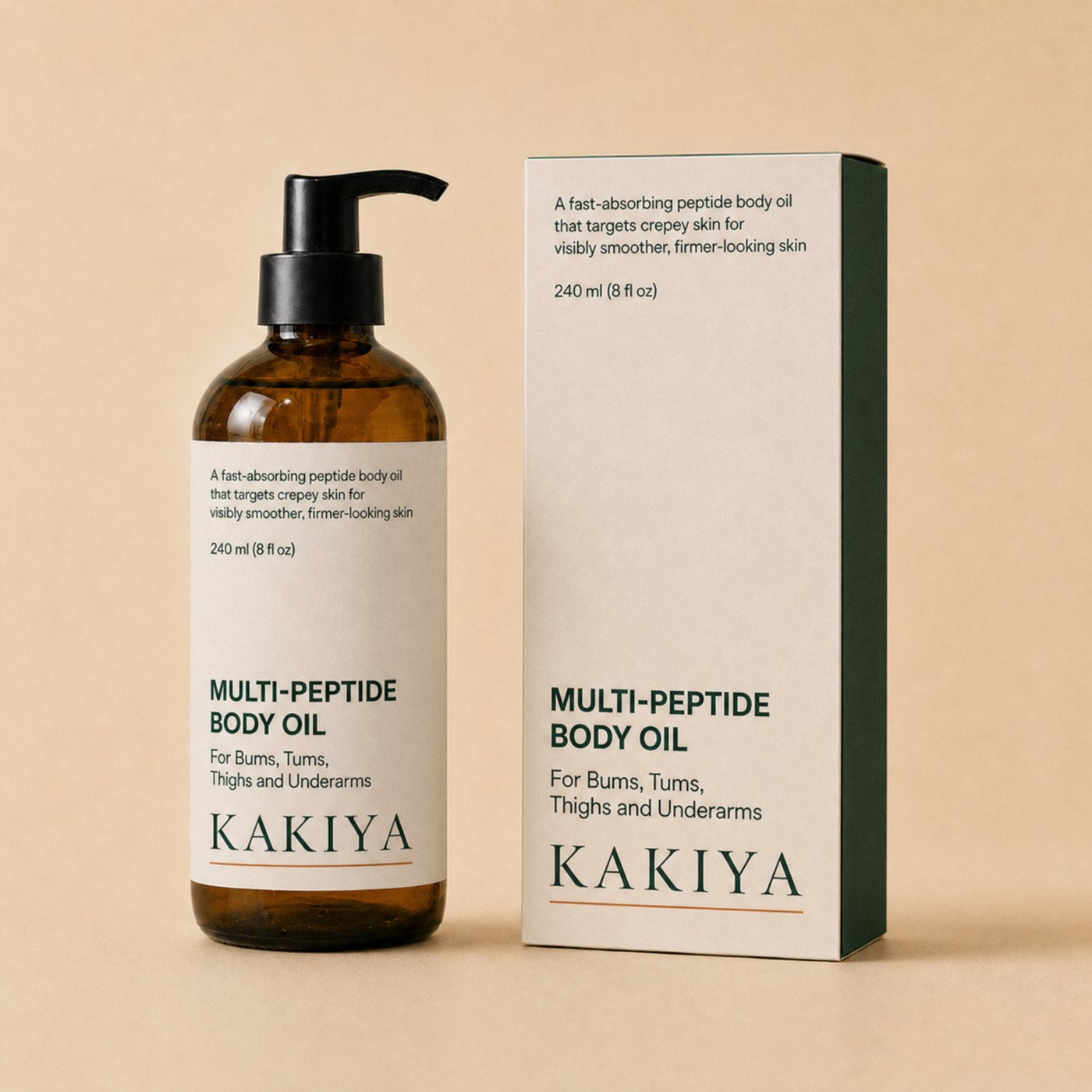
What I actually use: the Kakiya Peptide Body Oil
It's not a moisturiser and it's not a lotion. It's a multi-peptide complex in an absorbing oil, built for one job — helping the thin, crepey skin that rapid weight loss leaves behind look firmer and smoother by working on the structure underneath, not just shining up the surface.
Quick recap: why nothing else touched it
| What I tried | Reaches the real problem? |
|---|---|
| $100 firming / "crepe" creams | No — up to 80% water, can't pass the oil barrier |
| "Collagen-infused" creams & oils | No — collagen molecule too big to absorb |
| Collagen powders & capsules | No — nothing reaches the skin's structure |
| Plain body lotion | Hydrates the very top layer only |
| Kakiya Peptide Body Oil | Yes — peptide signal + oil delivery + caffeine & grapefruit |
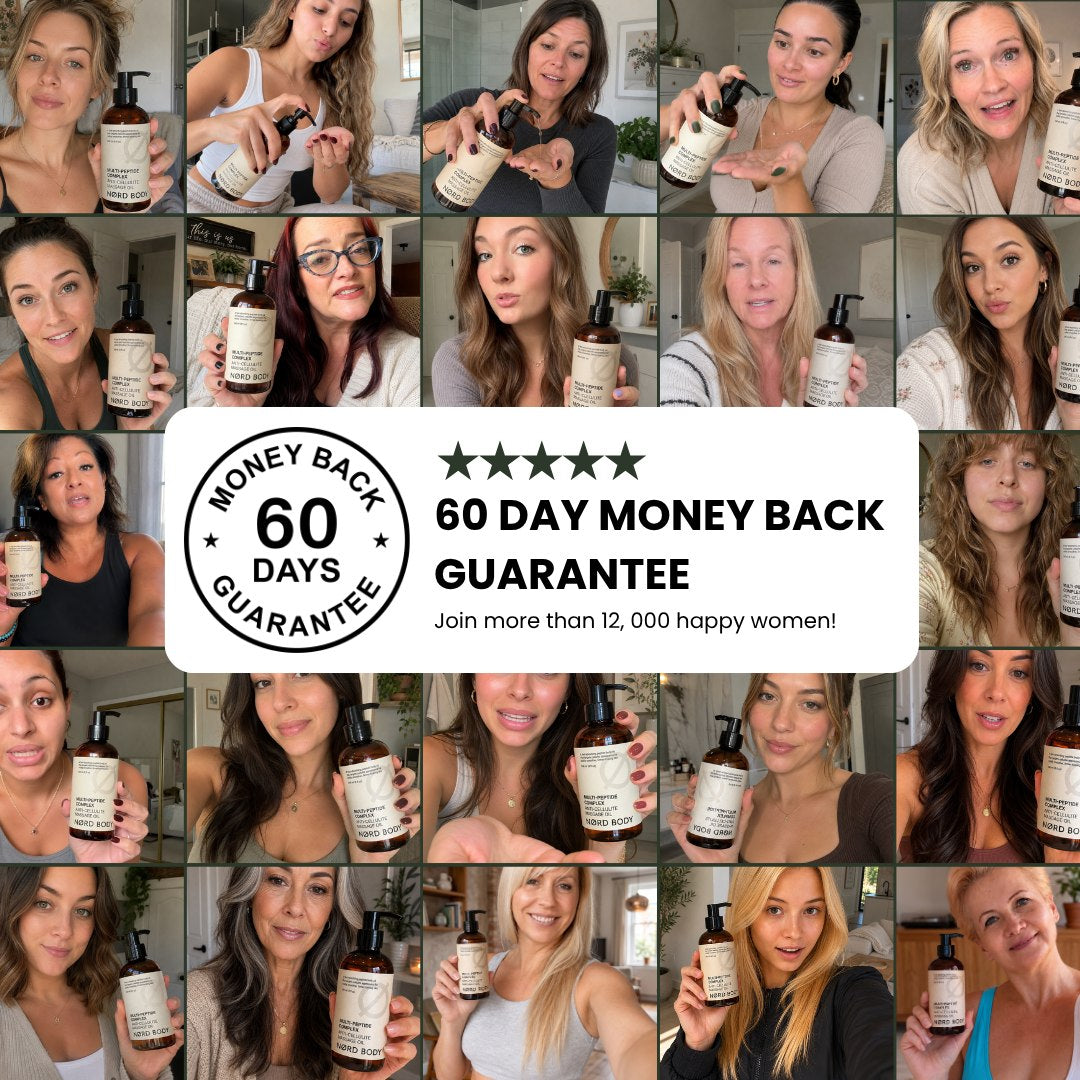
I'm not the only one on a GLP-1 who found this
I dropped a lot of weight on a GLP-1 and the crinkle on my arms and belly was rough. A few weeks of massaging this in and my skin genuinely looks like it's catching up. I only wish I'd started it sooner.
My arms went so crepey after the weight came off. I'd written it off — I'd tried the creams. This is the first thing that actually did anything. I stopped hiding my arms.
Down 41 lbs and my thighs and stomach had gone loose and crinkly. Firmer and smoother in about three weeks of using it every morning. Wore a sleeveless dress to a wedding and didn't think about it once.
Peptide Body Oil
Questions people on GLP-1s ask before their first bottle
Will this work on my skin, or do I need surgery?+
Honestly: this is built for crepey, thinned, loose-looking skin — the tissue-paper texture and soft crinkle on arms, thighs, stomach and chest. That's what peptides, caffeine and an oil base are for. If you have large folds of hanging skin after losing 100+ lbs, no topical fixes that — that's a surgical conversation. For the crepey stage most people land in, this is the right tool.
I'm still losing weight — should I wait?+
No — starting now is actually ideal. Supporting your skin's collagen and elastin while the weight is still coming off gives the structure a head start, instead of playing catch-up once loose skin has set in.
How long until I see a difference?+
Caffeine can firm the look in the first days. But crepey skin is a structure issue, so the real change — firmer, less crinkled texture — builds over roughly 6 weeks of daily use as the peptides work.
Is this just another moisturiser?+
No. Moisturisers add water to the surface. This is a multi-peptide complex in an oil base that signals your skin to rebuild its own collagen and elastin underneath. It hydrates and works on the cause.
Will it feel greasy or stain my clothes?+
It's made to sink in within a few minutes — lightweight, non-sticky, no all-day film. Massage it in, give it a moment, and get dressed without it clinging to sleeves.
Where can I use it?+
Anywhere this skin shows up: arms, inner thighs, stomach, chest and décolletage, neck, hands, and above the knees. It's made for the whole body.
What if it doesn't work for me?+
You're covered by a 60-day money-back guarantee. Use it daily; if you're not happy with how your skin looks, contact us for a refund.
This is an advertorial. Results vary from person to person and depend on consistent use. This product is a cosmetic intended to improve the appearance of skin; it is not intended to diagnose, treat, cure or prevent any disease. It is not affiliated with, endorsed by, or a substitute for any prescription medication. Testimonials reflect individual experiences and category sentiment and are not a guarantee of results. Consult a physician for any medical concern.
Firm It Back Up →